For most Magic Valley homes, the best replacement windows are ENERGY STAR certified for the Northern climate zone, with Low-E double- or triple-pane glass and a vinyl or fiberglass frame. Twin Falls County sits in IECC climate zone 5B, a cold and dry heating climate, so a low U-factor (how well the window holds heat in) matters most. A moderate solar heat gain rating lets the winter sun help heat the house, and a careful install keeps out the wind and dust that come with living on the Snake River Plain.
Here’s how to read the ratings, compare frames, and decide between retrofit and full-frame installation. When you’re ready for a price, our window replacement service in Twin Falls covers both options.
What climate zone is Twin Falls in?
The City of Twin Falls lists climate zone 5B in its residential design criteria, and the county falls in the same International Energy Conservation Code (IECC) zone. “5” means cold winters, and “B” means dry. The city designs homes for a winter low of 2°F and gusts up to 115 mph. Summers are hot and sunny, so the right window balances keeping heat in during winter against limiting overheating in July and August.
ENERGY STAR uses its own, simpler map. In ENERGY STAR’s Version 7 climate zone data, Twin Falls County is in the Northern zone. When you shop, check that a window’s ENERGY STAR label lists the Northern zone, not just “ENERGY STAR.”
What do U-factor, SHGC and Low-E mean?
Every certified window has a National Fenestration Rating Council (NFRC) label with these numbers. ENERGY STAR explains them this way:
- U-factor is how fast the window lets heat escape. Lower is better. In a heating climate like ours, this is the number to watch.
- Solar heat gain coefficient (SHGC) is how much of the sun’s heat comes through. Lower means less solar heat. In a cold climate, some solar gain in winter is useful, especially on south-facing windows.
- Low-E (low-emissivity) coatings are microscopically thin layers on the glass that reflect heat. They’re the main reason modern windows beat older double-pane units.
- Air leakage is also on many labels. Lower numbers help in windy areas.
What are the current ENERGY STAR requirements for our area?
ENERGY STAR Version 7.0 for residential windows, doors and skylights is the current specification. It took effect on October 23, 2023. For the Northern zone, the main path for windows is a U-factor of 0.22 or lower with an SHGC of at least 0.17. There’s also an equivalent-performance option that allows a slightly higher U-factor when the SHGC is higher, since more winter sun offsets some heat loss.
Those are demanding numbers. Window makers generally hit them with triple-pane glass or high-performance double-pane units with multiple Low-E coatings and gas fill. The building code sets a looser minimum, so a window can be code-legal without being ENERGY STAR certified for our zone. Ask for the NFRC numbers in writing on your estimate.
Vinyl, fiberglass or wood: which frame holds up best here?
Vinyl, fiberglass, wood and composite frames all insulate far better than bare metal. Here’s how they compare for a Magic Valley home:
| Frame | Strengths | Watch for |
|---|---|---|
| Vinyl | Lowest cost, good insulation, no painting | Expands and contracts more with temperature swings; dark colors can absorb heat; quality varies a lot by brand |
| Fiberglass | Very stable in heat and cold, strong, slim frames, paintable | Costs more than vinyl; fewer product lines |
| Wood or clad wood | Classic look inside, good insulation; exterior cladding cuts maintenance | Highest cost; wood exposed to sun and moisture needs upkeep |
| Aluminum | Thin, strong frames | Conducts heat and can frost up in winter; generally a poor fit for zone 5 |
InterNACHI’s life expectancy chart lists vinyl and fiberglass windows at about 20 to 40 years, wood at 30 or more, and aluminum at 15 to 20. Quality of install affects that as much as the material.
Should I choose retrofit or full-frame replacement?
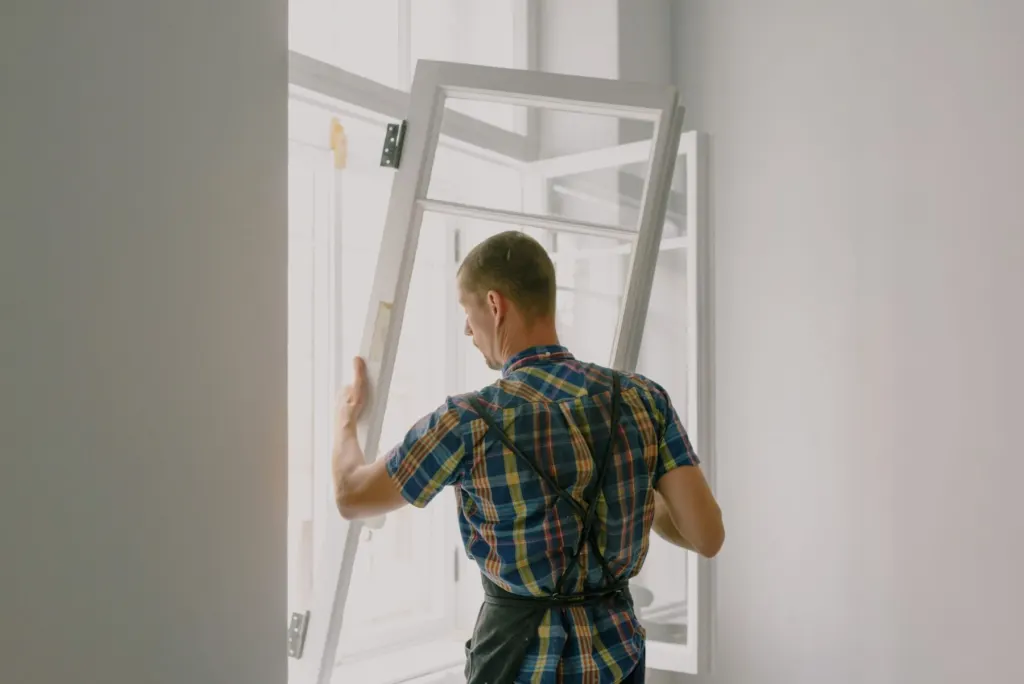
Retrofit (insert) windows fit inside your existing window frame. The old sashes come out, the new unit goes in, and the interior trim and exterior siding stay put. It’s faster, less disruptive and usually costs less. It works well when the existing frames are square, solid and dry.
Full-frame replacement removes everything down to the rough opening. It costs more and involves trim and sometimes siding or stucco work, but it lets the crew inspect for rot, add insulation around the frame, and flash the opening properly. It’s the better choice when frames are rotted, out of square, or have leaked, or when you want to change the window size.
If your home still has older aluminum-frame windows, be aware that those metal frames are sometimes left in place with a retrofit insert, which can leave a cold metal strip around the new window. A full-frame job removes that. Ask your installer which approach they recommend for each opening and why.
How do I keep out Magic Valley wind and dust?
- Look for a low air-leakage rating on the NFRC label.
- Casement and awning windows seal by pressing against the frame, so they tend to seal tighter than sliders.
- Ask how the gap between the window and the opening will be sealed and insulated (low-expansion foam and exterior sealant or flashing tape are common).
- Check that weep holes on sliders and patio doors drain freely, since blown dust can clog them.
Are there rebates or tax credits for windows right now?
The federal Energy Efficient Home Improvement Credit no longer covers new windows. The IRS says it applies to qualifying property placed in service before the end of 2025, so windows installed in 2026 don’t qualify.
When we checked in September 2026, Idaho Power’s residential rebates page listed heating and cooling incentives but no window rebate. If you heat with natural gas, check Intermountain Gas’s current residential rebates too. Programs change, so confirm before you buy.
Do I need a permit to replace windows in Twin Falls?
The City of Twin Falls lists new windows among the alterations that need a permit. Whether a like-for-like replacement needs one can depend on the scope, and bedroom windows must still meet emergency escape (egress) size rules if you change them. Call the city’s Building Safety department, or your own city or county office outside Twin Falls, before work starts.
How Zircon handles window replacement
We measure every opening, recommend retrofit or full-frame based on what we find, and put the product, NFRC ratings and installation details in a written estimate. Then we schedule a vetted installer and manage the job through the final walkthrough. Custom windows are made to order, so there’s a wait between measuring and install. Our Magic Valley project calendar covers the best times to book. When you’re ready, request a free window estimate or learn more about our replacement windows and patio doors.
Common questions
Is triple-pane worth it in Twin Falls?
It can be. Triple-pane glass is one of the easier ways to reach the ENERGY STAR Northern zone U-factor, and it helps with comfort near large windows and with outside noise. It’s heavier and costs more, so compare it with high-performance double-pane options.
Can windows be replaced in winter?
Yes. Installers typically swap one opening at a time, so each room is open to the cold only briefly. Very windy or bitterly cold days may shift the schedule.
How do I know if my windows need replacing?
Drafts, fog between panes, frames that are rotted or hard to operate, frost on the inside of aluminum frames, and single-pane glass are all common reasons homeowners replace windows.
What’s the difference between ENERGY STAR and ENERGY STAR Most Efficient?
Most Efficient is a separate recognition for top performers in a given year. Standard ENERGY STAR certification for the Northern zone is already a strong target for our climate.
Get a free, written estimate
Tell us what you have in mind. We'll set up a time to look at it and send you a clear, itemized price, with one person managing the job from start to finish.