
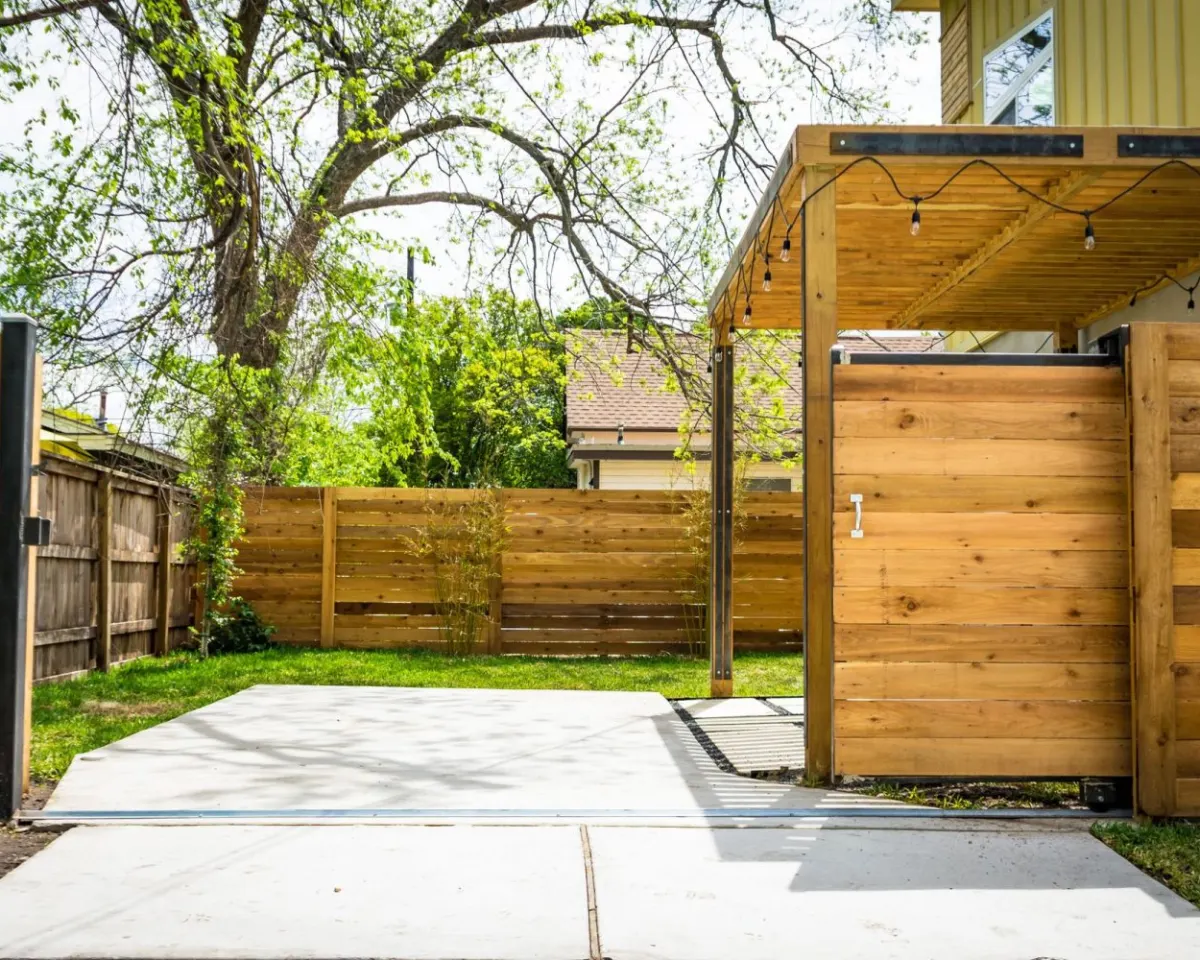
Zircon Construction is a general contractor that plans and builds fences in Twin Falls and the surrounding Magic Valley towns. We measure, help you pick a material, confirm the rules for your lot, and give you a written price. Then we schedule a vetted local fence crew, manage the build and walk the finished fence line with you.
What’s included in a fence project
- On-site measurement and fence layout, including gate locations
- Help finding property pins and reading your plat or survey
- A check of city, county and HOA rules for height, style and setbacks
- Utility locates through Idaho 811 before any digging
- Removal and haul-away of an old fence, if you have one
- Post holes, concrete-set posts and a build matched to your material
- Walk gates, double drive gates and hardware
- Cleanup of spoils, concrete and scraps
- A final walkthrough to check lines, gates and latches
Fence materials and how they handle Magic Valley wind
Wind is the biggest test for a fence here. The City of Twin Falls designs for a 115 mph wind speed in its residential design criteria, and a solid six-foot fence acts like a sail. Post depth, post spacing and how the fence is built matter as much as the material. For a deeper comparison, see our guide to the best fence materials for Magic Valley wind.
Wood and cedar
Wood privacy fences are popular and easy to repair one board at a time. Cedar resists rot better than basic pine or fir. Our dry air and strong sun can make wood gray, shrink and check, so staining or sealing every few years helps it last. Setting posts in concrete and using steel posts or good post bases can help with wind and ground moisture.
Vinyl
Vinyl doesn’t need paint or stain, and it rinses clean. It’s a good choice where sprinklers hit the fence, though hard water can leave mineral spots. In high-wind spots, ask about reinforced posts, stronger rails or a semi-privacy style that lets some air through.
Chain link
Chain link is a cost-effective way to fence a large yard, dog run or back lot. It lets wind pass through, so it stands up well to gusts. Privacy slats add screening but also catch more wind.
Ornamental metal
Steel or aluminum ornamental fencing looks clean in front yards and around patios and pools. It lets wind and views through and needs little upkeep beyond touching up scratches.
Ranch and split rail
Split rail and ranch-style fences suit larger lots and acreage around Kimberly, Filer, Buhl and Jerome. They mark boundaries and hold livestock or pets when paired with wire mesh.
Gates
Gates take the most abuse, especially in wind. We plan gate posts, hinges and bracing so gates don’t sag, and we can build wide double gates for trailers, RVs and equipment.
Property lines, permits and 811
Before we dig, we confirm three things: where the line is, what the rules allow, and where the buried utilities are.
- Property lines. We help you find your pins and review your plat. If the line is unclear or a neighbor disputes it, a licensed surveyor is the right call before building.
- Permits and height rules. Inside Twin Falls city limits, a building permit is required for fences over seven feet tall. Zoning rules also limit height in front yards and on corner lots, and HOAs often add their own rules. Other towns and the county set their own rules. Read our guide to fence permits and height rules in Twin Falls, and confirm with the city or county before building, since rules change.
- Utility locates. Idaho law requires contacting 811 at least two business days before digging, and fence post holes count. We handle the locate request as part of the job.
Signs you need a new fence
- Leaning sections or posts that move when you push them
- Posts rotted at the ground line, or panels blown down after a storm
- Gates that sag, drag or won’t latch
- Pets or kids getting out, or new privacy needs from a neighbor’s build
- Cracked, brittle or badly faded vinyl
- A new home, new pool or new garden that needs a boundary
Planning a new fence?
Send us your address and a rough layout. We'll measure and give you a written estimate.
How a fence project runs with Zircon
Instead of calling around for a fence crew, a locate and someone to haul off the old fence, you work with us. We set the schedule, manage the crew and keep you posted.
- Visit and layout. We walk the property, measure, mark gate spots and talk through materials.
- Written estimate. You get a clear price with the linear footage, material, gates and tear-out listed.
- Rules and locates. We check height and permit rules for your address and request the 811 locate.
- Build. A vetted fence crew sets posts, lets concrete cure as needed, and builds the fence. We check the work as it goes.
- Walkthrough. We walk the line with you, test every gate and make sure the site is clean.
Tell us about the project
Call or send the estimate form. We'll ask a few questions and set a time to come look.
On-site visit and written estimate
We measure, talk through options, and send you an itemized price in writing. No pressure, no surprise add-ons.
We schedule and manage the crews
We book vetted local trade partners, order materials, handle permits, and check the work as it goes. You deal with one person.
Final walkthrough
We walk the finished job with you and take care of anything on the punch list before we call it done.
What affects the price of a fence
Fences are priced mainly by length, but several other things change the number:
- Linear footage and height. Longer and taller fences need more material and posts.
- Material and style. Chain link and split rail usually cost less per foot than cedar, vinyl or ornamental metal.
- Gates. Each gate adds hardware and labor; wide drive gates add more.
- Ground conditions. Rocky ground, caliche or basalt near the surface can slow post digging.
- Slope. Sloped yards need stepped or racked panels.
- Tear-out. Removing and hauling an old fence is part of the scope.
- Wind upgrades. Deeper posts, closer spacing or steel posts add cost and strength.
Serving Twin Falls and the Magic Valley
We manage fence projects in Twin Falls and across south-central Idaho, including Jerome, Kimberly, Buhl and Burley. See every town we cover on our service areas page.
Common questions
Do I need a permit for a fence in Twin Falls?
Inside city limits, a building permit is required for fences over seven feet tall. Shorter fences can still be limited by zoning rules for front yards, corner lots and setbacks, and by your HOA. We check the rules for your address before we build.
Who finds my property line?
We help locate your property pins and read your plat. If the pins are missing or the line is in question, we’ll recommend hiring a licensed surveyor before building. It costs less than moving a fence later.
Do I have to call 811 before a fence goes in?
Yes. Idaho law requires an 811 locate at least two business days before digging, including fence post holes. When we manage your fence project, we request the locate.
What fence holds up best to wind?
Fences that let air through, like chain link, ornamental metal and ranch rail, handle wind best. For privacy fences, deeper posts, tighter post spacing and strong posts matter more than the material alone.
Can you replace just part of my fence?
Often, yes. We can replace blown-down sections, rotted posts or a sagging gate. If the rest of the fence is near the end of its life, we’ll tell you so you can decide.
Do you build the fence yourselves?
No. We’re a general contractor. We hire and manage vetted local fence crews, inspect the work and stay your single point of contact from estimate to walkthrough.
Get a free, written estimate
Tell us what you have in mind. We'll set up a time to look at it and send you a clear, itemized price, with one person managing the job from start to finish.